

What is Warehousing? A Complete Guide by Bridgewater Logistics
In today’s fast-paced business environment, efficient supply chains are critical to success. One of the most important yet often misunderstood components of a supply chain is warehousing. For businesses across South Africa, understanding warehousing—and how professional logistics providers like Bridgewater Logistics manage it—can mean the difference between seamless distribution and costly delays.
This guide breaks down everything you need to know about warehousing, its functions, types, and benefits for your business.
Understanding Warehousing
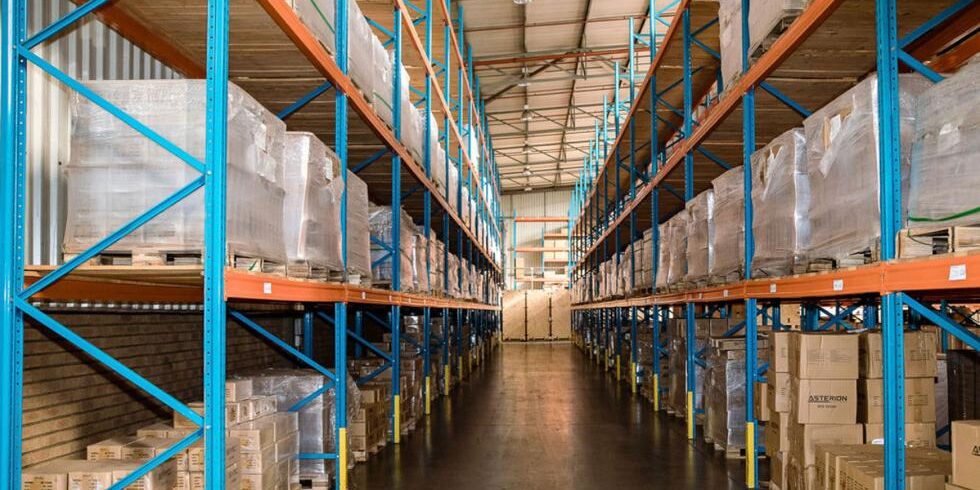
At its core, warehousing is the storage of goods, materials, and products in a dedicated facility until they are needed for distribution, sale, or production. But modern warehousing is much more than just storing items on shelves. It plays a central role in inventory management, order fulfillment, and supply chain optimization.
Warehouses serve as hubs that connect manufacturers, suppliers, retailers, and customers. They ensure that products are stored safely, managed efficiently, and distributed on time. For businesses of all sizes—from small enterprises to large corporations—warehousing is a strategic tool that can save costs and improve service delivery.
The Key Functions of Warehousing
Warehousing is not just about space; it’s about efficient management of goods and services. Here are the core functions:
1. Storage
The primary function of a warehouse is safe and secure storage. Depending on the type of goods, storage requirements can vary:
-
General storage: Non-perishable goods, furniture, electronics, and household items.
-
Cold storage: Temperature-controlled facilities for food, beverages, and pharmaceuticals.
-
Bonded storage: Imported goods held under customs control until duties are paid.
Proper storage ensures products maintain their quality and remain accessible when needed.
2. Inventory Management
A warehouse is the backbone of inventory control. Advanced Warehouse Management Systems (WMS) allow businesses to:
-
Track stock levels in real-time.
-
Minimise stockouts or overstocking.
-
Generate reports to support planning and forecasting.
Bridgewater Logistics uses cutting-edge systems to provide clients with full visibility of their inventory across South Africa.
3. Order Fulfillment
Warehouses are central to efficient order fulfillment. This includes:
-
Picking: Selecting items from inventory based on customer orders.
-
Packing: Preparing items for safe transport.
-
Shipping: Coordinating with transport partners to ensure timely delivery.
This process ensures that customers receive the right products, in the right quantity, at the right time.
4. Consolidation and Distribution
Warehouses consolidate goods from multiple suppliers to streamline distribution. By combining smaller shipments into larger loads, businesses can reduce transport costs and improve delivery efficiency. Strategic warehouse placement also ensures faster distribution across different provinces in South Africa.
5. Value-Added Services
Many modern warehouses offer additional services, such as:
-
Labeling and re-packaging.
-
Kitting and assembly.
-
Quality inspections and compliance checks.
These services help businesses enhance product value before reaching customers, improving brand reputation and customer satisfaction.
Types of Warehousing
Different businesses require different types of warehouses. Understanding the options helps in choosing the right solution.
-
Public Warehouses
-
Open to multiple businesses.
-
Cost-effective and flexible.
-
Ideal for small to medium-sized enterprises that don’t need dedicated facilities.
-
Private Warehouses
-
Owned or leased by a single company.
-
Provides control over operations and security.
-
Suitable for businesses with large-scale operations and predictable demand.
-
Bonded Warehouses
-
For imported goods held under customs supervision.
-
Duties and taxes are deferred until goods leave the warehouse.
-
Supports import/export businesses and reduces upfront costs.
-
Cold Storage Warehouses
-
Maintain controlled temperatures for perishable goods.
-
Critical for food, pharmaceuticals, and chemicals.
-
Ensures product safety, quality, and regulatory compliance.
-
Distribution Centers
-
Focused on rapid order fulfillment rather than long-term storage.
-
Strategically located to minimize delivery times.
-
Supports e-commerce, retail, and FMCG businesses.
Why Warehousing is Important for Your Business
Warehousing is a vital element of the supply chain, offering multiple benefits:
1. Ensures Product Availability
With proper warehousing, businesses can store enough stock to meet customer demand without overstocking or facing shortages.
2. Supports Business Growth
By outsourcing warehousing to logistics providers like Bridgewater, businesses can scale operations without investing heavily in infrastructure or staff.
3. Reduces Costs
Strategic warehousing reduces transportation costs, improves order efficiency, and lowers losses due to damage or expired products.
4. Enhances Customer Service
Fast and accurate order fulfillment leads to satisfied customers and repeat business. Warehousing ensures products are ready for timely delivery.
5. Optimizes Supply Chain Efficiency
From storage to distribution, warehouses streamline operations, reduce bottlenecks, and provide visibility across the supply chain.
Warehousing in South Africa
South Africa’s logistics industry is growing rapidly, driven by e-commerce, retail expansion, and international trade. Businesses now require flexible, scalable, and tech-enabled warehouses to compete.
Bridgewater Logistics offers warehousing solutions across South Africa that include:
-
Secure storage facilities
-
Temperature-controlled storage
-
Advanced WMS for real-time inventory visibility
-
Efficient order fulfillment and distribution
-
Value-added services like kitting and labeling
These services are designed to meet the unique challenges of South African businesses, including long distances between provinces, seasonal demand fluctuations, and diverse product types.
How to Choose the Right Warehouse Provider
Selecting a logistics partner is critical for business success. Here are key factors to consider:
-
Location – Proximity to suppliers, customers, and transport networks.
-
Technology – Use of WMS, tracking, and reporting tools.
-
Security – CCTV, access control, and fire safety measures.
-
Scalability – Ability to expand or adapt storage as your business grows.
-
Value-Added Services – Kitting, packaging, labeling, and quality control.
-
Experience – Proven track record in managing diverse inventory types.
Bridgewater Logistics combines strategic locations, technology, and expertise to provide tailored solutions for South African businesses.
FAQs About Warehousing
1. What is the difference between a warehouse and a distribution center?
A warehouse primarily stores goods for the long term, while a distribution center focuses on rapid order fulfillment and short-term storage for faster delivery.
2. Do I need my own warehouse or can I outsource?
Outsourcing to a professional logistics provider like Bridgewater is often more cost-effective, flexible, and scalable, especially for SMEs or businesses with fluctuating demand.
3. What is cold storage and why is it important?
Cold storage maintains controlled temperatures for perishable or sensitive products like food, pharmaceuticals, and chemicals, ensuring safety and compliance.
4. How can a warehouse improve supply chain efficiency?
Warehouses consolidate shipments, manage inventory, streamline order fulfillment, and reduce transport costs, ensuring faster and more accurate delivery.
5. What are bonded warehouses?
Bonded warehouses store imported goods under customs supervision, allowing businesses to defer paying duties and taxes until products are released for sale.
6. Can a warehouse handle value-added services?
Yes. Modern warehouses offer labeling, packaging, kitting, assembly, and quality inspections to enhance product value before distribution.
7. How do warehouses support e-commerce businesses?
Warehouses enable fast order processing, inventory tracking, and nationwide distribution—critical for meeting customer expectations in the online shopping space.
8. What security measures are standard in warehouses?
CCTV surveillance, controlled access, fire safety systems, and regular audits are standard measures to protect inventory from theft or damage.
9. How do I know if my business needs warehousing?
If you need to store goods safely, manage inventory efficiently, or scale your distribution, warehousing is essential. Outsourcing to a logistics provider simplifies this process.
10. Why choose Bridgewater Logistics for warehousing in South Africa?
Bridgewater offers secure facilities, advanced inventory management, flexible storage options, and end-to-end logistics support tailored to your business needs.
Warehousing Explained
Warehousing is far more than just storage—it’s a strategic tool that drives supply chain efficiency, reduces costs, and improves customer satisfaction. For South African businesses looking to streamline operations, scale efficiently, and meet growing consumer demand, partnering with a professional logistics provider like Bridgewater Logistics offers the expertise, technology, and flexibility required to succeed.
Whether you need secure storage, temperature-controlled facilities, or value-added services, modern warehousing solutions can transform your supply chain into a competitive advantage.