

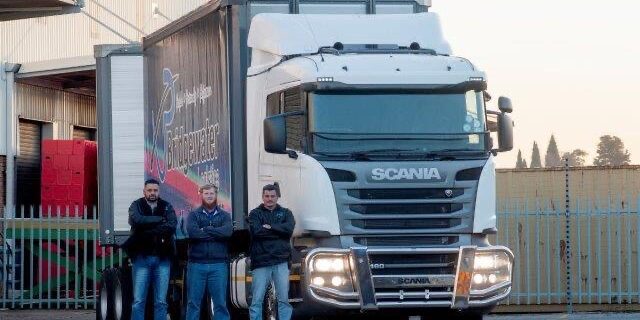
Contract Logistics: The Smart Solution for Modern Supply Chains
In today’s fast-paced business environment, supply chains are more complex than ever. Customers expect faster delivery, real-time visibility, and reliable service, while businesses must manage costs, inventory, and operational efficiency. For many companies, in-house logistics are no longer sufficient to meet these demands.
Contract logistics provides a strategic solution, offering businesses a way to outsource logistics operations to experienced professionals. By leveraging contract logistics, companies can optimise their supply chain, reduce costs, improve customer satisfaction, and gain a competitive advantage.
This guide explores what contract logistics is, how it works, the benefits it offers, and why it has become a crucial component of modern supply chains.
What Is Contract Logistics?
Contract logistics is the outsourcing of supply chain and logistics operations to a specialised provider under a long-term agreement. Unlike traditional third-party logistics services, which often handle individual tasks, contract logistics offers an integrated solution that can cover a wide range of services, including:
-
Warehousing and storage
-
Inventory management
-
Order fulfilment
-
Transportation and distribution
-
Value-added services such as packaging, labelling, and kitting
-
Reverse logistics, including returns management
The agreement between a business and a contract logistics provider is usually governed by service level agreements (SLAs) and key performance indicators (KPIs), ensuring the provider meets specific standards over the term of the contract.
In essence, contract logistics allows companies to delegate complex supply chain operations to experts while focusing on their core business, such as product development, marketing, and customer service.
How Contract Logistics Works
Engaging a contract logistics provider typically involves several key steps:
1. Needs Assessment and Planning
The process begins with a detailed assessment of your business’s logistics requirements. This includes analysing order volumes, inventory levels, storage requirements, distribution networks, and any specialised needs such as temperature-controlled storage or hazardous goods handling.
2. Customised Solution Design
Based on the assessment, the provider designs a tailored logistics solution. This includes mapping warehouse layouts, transport routes, technology systems, and operational processes that align with the client’s business goals.
3. Implementation of Infrastructure and Technology
The provider allocates or prepares warehouse space, installs necessary equipment, and sets up systems such as warehouse management software and transport management platforms. These systems enable accurate tracking, reporting, and optimisation of logistics operations.
4. Inventory Management and Value-Added Services
Once operational, the provider manages inbound inventory, oversees storage, conducts quality checks, and performs value-added services like assembly, kitting, labelling, and packaging.
5. Order Fulfilment and Distribution
When orders are received, the provider picks, packs, and ships items to stores, distributors, or end customers. Some providers also manage last-mile delivery and reverse logistics for returns and exchanges.
6. Monitoring and Reporting
Contract logistics providers deliver real-time insights into inventory levels, order status, and performance metrics. Regular reporting helps clients monitor efficiency, track KPIs, and identify opportunities for improvement.
7. Scalability and Continuous Improvement
As business demands fluctuate, the provider can scale operations up or down, adjust warehouse capacity, add transport resources, or implement new technology solutions. This ensures businesses remain agile without incurring unnecessary costs.
Benefits of Contract Logistics
Contract logistics offers numerous advantages that can transform the way a business manages its supply chain.
1. Cost Efficiency
Building and maintaining warehouses, fleets, and logistics infrastructure is capital-intensive. Contract logistics converts these fixed costs into variable costs, allowing businesses to pay for services based on usage. Providers also leverage economies of scale, reducing costs for storage, transport, and labour.
2. Scalability and Flexibility
Businesses often face fluctuating demand due to seasonality, promotions, or market expansion. Contract logistics allows operations to scale quickly, ensuring capacity meets demand without over-investing in infrastructure.
3. Access to Expertise and Technology
Professional contract logistics providers bring specialised knowledge and advanced technology, including warehouse management systems, transport management platforms, and real-time tracking. These tools optimise inventory control, streamline operations, and improve decision-making.
4. Improved Reliability and Customer Satisfaction
By outsourcing logistics to experts, businesses can reduce errors, avoid stockouts, and ensure timely deliveries. Efficient supply chain management enhances customer satisfaction, strengthens brand reputation, and drives repeat business.
5. Risk Mitigation
Providers manage compliance, regulatory requirements, and supply chain risks. They implement contingency plans, monitor transport routes, and maintain safety standards, reducing the likelihood of disruptions.
6. Focus on Core Business
By delegating logistics operations, companies can focus on innovation, marketing, and growth strategies instead of day-to-day operational challenges.
Industries That Benefit from Contract Logistics
Contract logistics is valuable for businesses across a variety of sectors:
-
Retail and E-commerce: High-volume order fulfilment, seasonal fluctuations, and returns management make contract logistics essential for fast, reliable service.
-
Manufacturing and Industrial: Efficient handling of raw materials, parts, and finished goods ensures smooth production and distribution.
-
Fast-Moving Consumer Goods (FMCG): Frequent restocking, high turnover, and complex distribution networks are managed efficiently through outsourcing.
-
Pharmaceuticals and Healthcare: Compliance, specialised storage, and precise delivery requirements are handled professionally.
-
Food and Beverage: Temperature-controlled storage, expiry tracking, and reliable distribution are crucial.
-
Importers and Exporters: Access to warehouses and distribution networks in new markets reduces capital investment and operational risk.
Common Contract Logistics Services
Contract logistics providers offer a wide range of services to meet diverse business needs:
-
Warehousing: Secure, scalable storage solutions with efficient picking and packing systems.
-
Transportation Management: Coordinated delivery across multiple channels, including last-mile delivery.
-
Inventory Management: Stock control, replenishment, and real-time tracking.
-
Value-Added Services: Kitting, labelling, assembly, custom packaging, and returns processing.
-
Cross-Docking: Streamlined distribution by moving products directly from inbound to outbound transport, reducing storage time.
-
Reverse Logistics: Efficient handling of returns, exchanges, and recalls to minimise losses.
Risks and Considerations
While contract logistics offers significant advantages, businesses should consider potential risks:
-
Long-Term Commitment: Contracts often span multiple years, making it important to select a reliable partner.
-
Dependence on Provider Performance: Operational issues, delays, or errors by the provider directly affect your business.
-
Loss of Direct Control: Outsourcing reduces hands-on oversight, requiring trust and strong monitoring mechanisms.
-
Provider Stability: Ensure your provider has financial strength, operational capacity, and contingency plans.
Proper due diligence, clear service-level agreements, and regular communication mitigate these risks effectively.
How to Choose a Contract Logistics Partner
Selecting the right provider is critical. Key factors to consider include:
-
Experience and Expertise: Industry knowledge, operational capabilities, and track record of delivering results.
-
Infrastructure and Technology: Modern warehouses, transport systems, and digital platforms for visibility and efficiency.
-
Flexibility: Ability to scale operations and adapt to changing business needs.
-
Service Levels and KPIs: Clear SLAs, performance metrics, and accountability measures.
-
Risk Management: Contingency planning, regulatory compliance, and supply chain resilience.
-
Transparency and Communication: Real-time reporting and responsive customer service.
A strong partnership ensures operational efficiency, cost savings, and sustainable growth.
The Future of Contract Logistics
As markets evolve, contract logistics continues to grow in importance:
-
E-commerce Expansion: Increasing online orders require flexible, responsive logistics solutions.
-
Technological Advancements: Automation, robotics, AI-driven forecasting, and real-time tracking improve efficiency and accuracy.
-
Sustainability: Providers are adopting eco-friendly practices, optimised transport routes, and energy-efficient warehousing.
-
Globalisation: Cross-border trade requires logistics expertise in customs, documentation, and international distribution.
-
Data-Driven Insights: Analytics and reporting enable proactive decision-making and continuous supply chain improvement.
Partnering with a forward-thinking contract logistics provider positions businesses to thrive in a rapidly changing landscape.
Frequently Asked Questions (FAQ)
1. What is the difference between contract logistics and traditional third-party logistics?
Contract logistics provides a long-term, integrated solution covering multiple supply chain functions, while traditional third-party logistics may only handle discrete tasks like transportation or warehousing.
2. How long does a contract logistics agreement usually last?
Agreements are typically long-term, ranging from 3 to 5 years, to allow for strategic planning and investment in infrastructure.
3. Can small businesses benefit from contract logistics?
Yes. Even smaller companies can leverage scalable solutions to reduce capital investment, improve efficiency, and access professional logistics expertise.
4. Will outsourcing logistics reduce control over my operations?
While you delegate day-to-day operations, providers offer transparent reporting, monitoring, and collaboration, ensuring you maintain oversight.
5. What industries are best suited for contract logistics?
Retail, e-commerce, manufacturing, FMCG, pharmaceuticals, healthcare, and import/export businesses benefit most due to complex distribution and volume requirements.
6. How can contract logistics improve customer satisfaction?
By providing accurate inventory management, timely deliveries, and reliable service, contract logistics ensures products reach customers quickly and efficiently.
7. Is contract logistics expensive?
While there is a cost associated with outsourcing, it often reduces total logistics expenditure by eliminating capital investments, leveraging economies of scale, and improving operational efficiency.
8. Can I scale my logistics operations up or down?
Yes. Contract logistics providers offer flexibility to adjust capacity and resources based on demand fluctuations.
9. Are there risks in outsourcing logistics?
Risks include reliance on the provider, potential service lapses, and long-term contractual commitments. These can be mitigated with careful provider selection and well-defined agreements.
10. How does contract logistics handle returns or reverse logistics?
Providers manage returns efficiently, including inspecting, repackaging, restocking, or disposing of items, reducing losses and improving customer experience.
Contract logistics
Contract logistics is no longer a luxury—it is a strategic necessity for businesses seeking efficiency, flexibility, and growth in today’s competitive marketplace. By partnering with an experienced provider, companies can optimise supply chains, reduce costs, enhance customer satisfaction, and focus on core business priorities.
For businesses of any size, contract logistics transforms supply chain operations from a challenge into a competitive advantage. The right partner will help navigate complexity, deliver measurable results, and position your business for long-term success.